You found your way here, which means one of two things: you’re already deep in the types of dark romance rabbithole and need a map, or someone recommended a book to you and now you’re Googling whether “dubcon” is a typo. Either way, welcome.
Dark romance is one of the most fun, most chaotic, most misunderstood corners of genre fiction, and it’s a bigger universe than most people realize. It’s not just one flavor of morally questionable. It’s a whole ice cream parlor where every option could get you in trouble.
What is Dark Romance?
Dark romance is a subgenre of romance fiction that throws the rulebook out the window, and probably off a cliff. Where traditional romance prioritizes feel-good courtship and emotional safety, dark romance leans into tropes like power imbalances, morally grey (or just outright morally black) love interests, and situations that would make a standard rom-com editor faint.
Good dark romance books about glorifying harm, it’s about exploring the raw, messy, sometimes ugly edges of desire, obsession, and connection. It’s fiction. It’s fantasy. It’s a place to feel things you can’t always explain, in the safety of a book that you can close whenever you want. And yes, there will be smut. A lot of it.
Different Types of Dark Romance Books
The umbrella is wide, the subgenres are specific, and the reading lists are endless. Here’s your breakdown.
1. Captivity Dark Romance
This is the one your mom would find most concerning if she saw your Kindle. Captivity dark romance centers on one person being held (against their will, sort of against their will, or with a will that’s complicated) by the love interest. It’s the original “you can’t leave and also I’m in love with you” storyline, and it has a dedicated, rabid fanbase for a reason.
The tension is baked into the premise. Every scene crackles because the power dynamic is impossible to ignore. Done well, it’s an obsessive, suffocating slow burn that earns its payoff. Done badly, it’s just a hostage situation with bad dialogue.
Key themes & tropes:
- Stockholm syndrome played completely, unapologetically straight
- Captor is obsessive but somehow makes great breakfast
- FMC starts planning escape, ends up planning wedding
- Isolated setting: cabin, compound, underground lair, naturally
- MMC has a “reason” that makes zero logical sense but feels earned
- First kiss while technically still imprisoned (classic)
- “I should hate you” said approximately forty-seven times
Example Title
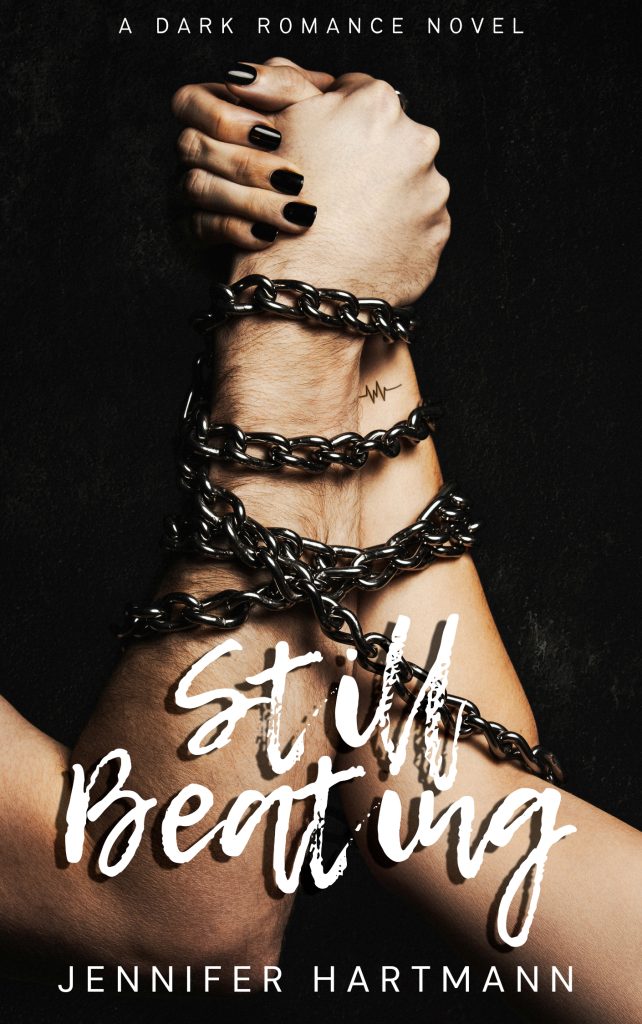
Still Beating by Jennifer Hartmann (2020)
2. Masked Men Dark Romance
Exactly what it sounds like, and somehow so much more. Masked men dark romance features a love interest whose identity is hidden, whether by a literal mask, an anonymous online persona, or a carefully constructed double life. Think of it as a mystery romance where the mystery is the man, and the man is the whole point.
The anonymity creates a delicious push-pull: you’re drawn to someone you can’t fully see, and the reveal (when it comes) either breaks or makes the whole thing. The best versions of this subgenre use the mask as a metaphor. The worst ones just slap a hockey mask on a guy and call it a day.
Key themes & tropes:
- Identity reveal is the entire emotional climax of the book
- FMC is obsessed online before she ever meets him IRL
- Mask as metaphor for emotional unavailability (deep, actually)
- He’s been watching her for longer than is reasonable
- The face underneath is, without exception, devastatingly attractive
- Double life logistics are hand-waved magnificently
- “You knew it was me the whole time”—did she though? Did she?
Example Title
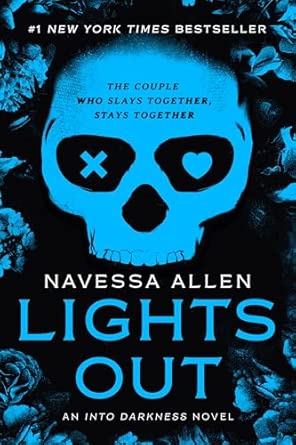
3. Stalker Dark Romance
Here’s where we separate the casuals from the committed. Stalker dark romance puts obsessive, boundary-obliterating surveillance front and center, and frames it as, well, romantic. The love interest knows your schedule, your coffee order, your childhood trauma, and the name of your childhood hamster, and he learned all of it without your permission.
The FMC is usually the last to know she’s being watched, which makes the dramatic irony as thick as the tension. It’s twisted, it’s a lot, and readers cannot get enough of it. The genre lives and dies on the chemistry, if you don’t believe in the obsession, the whole thing collapses.
Key themes & tropes:
- MMC has been watching since long before chapter one
- FMC’s home has been entered without her knowledge, multiple times
- “I only do this for you” said like it’s a compliment
- He removes threats to her without ever being asked
- The grand gesture is wildly illegal but undeniably effective
- FMC finds out the full extent of it and is… fine with it, actually
- Morally grey MMC with a soft spot exactly one person wide
Example Title
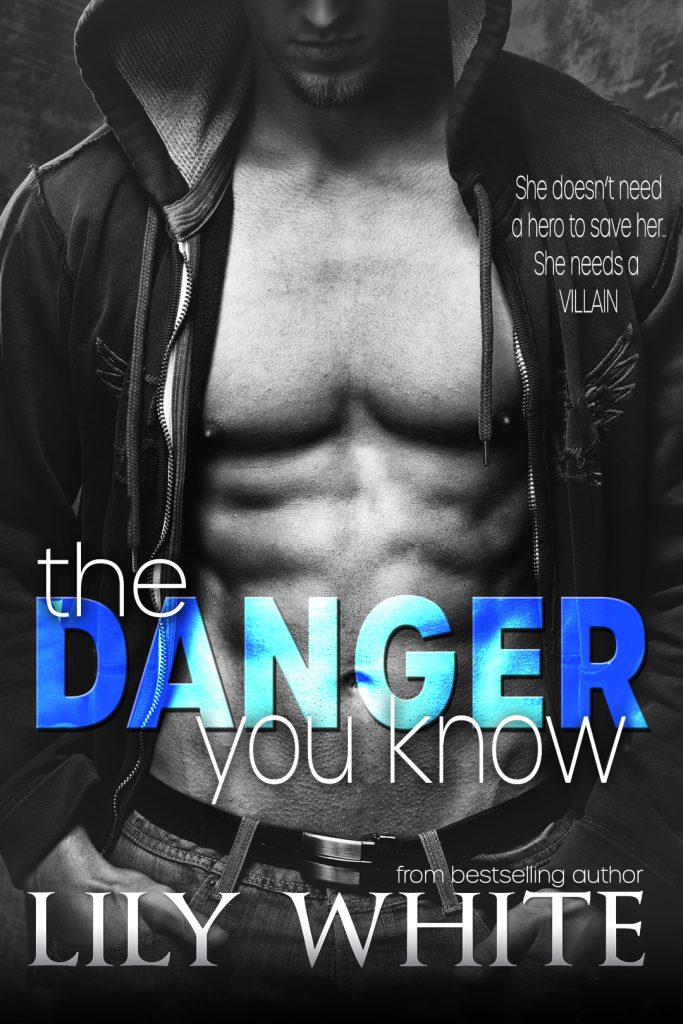
The Danger You Know by Lily White (2020)
4. Dark Romantasy
Dark romance got a fantasy makeover and honestly? It’s thriving. Dark romantasy blends the power imbalances and explicit content of dark romance with the world-building, magic systems, and non-human love interests of fantasy fiction. Your MMC might be a fae lord, a demon king, a shadow god, or something even harder to explain at a dinner party.
The power imbalance isn’t just social or physical, it’s literal and cosmic. He could unmake reality. He chooses not to. For her. It’s a lot, in the best way. The world-building gives authors room to justify dynamics that wouldn’t fly in a contemporary setting, and readers get to feel things in high definition, with magic and prophecy as the backdrop.
Key themes & tropes:
- MMC is ancient, powerful, and inexplicably obsessed with this one human
- Mate bonds, fate bonds, or prophecy as a romantic shortcut
- FMC is somehow “special,” untamed magic, rare bloodline, chosen one energy
- Beauty and the Beast undertones, scaled up to kingdom-level stakes
- Violence is glamorous, bloody, and often tied directly to desire
- The smut hits different when someone has wings or horns
- Found family of dangerous misfits orbiting the main couple
Example Title
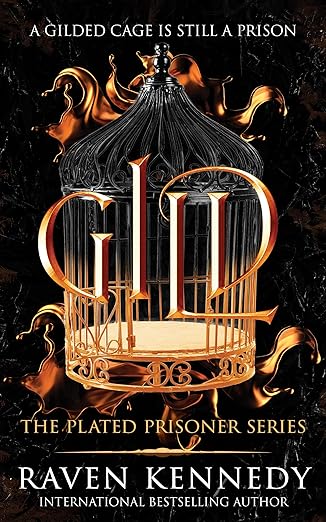
5. Mafia Dark Romance
The OG. The blueprint. If dark romance has a flagship subgenre, it’s this one, and it shows no signs of slowing down. Mafia dark romance drops its characters into organized crime worlds where the love interest is powerful, ruthless, and operating entirely outside the law.
The appeal is the fantasy of someone who controls everything choosing to be undone by one person. It’s dangerous men with soft spots, violence with expensive suits, and tension you could cut with a tactical blade. The mafia setting also provides a convenient narrative engine: there’s always a threat, always a rival, always a reason why they can’t just be normal about it.
Key themes & tropes:
- MMC gives orders to entire criminal empires, takes none from anyone except her
- “You’re mine now” delivered as news, not a question
- Elaborate protection that was never requested and cannot be refused
- Family loyalty tested directly by the romance
- Safe houses, coded conversations, and cars that are definitely bulletproof
- FMC is either a civilian who got pulled in or born into the life
- The violence is disturbing, but somehow he’s still marriage material
6. Queer Dark Romance
Dark romance has always had a queer contingent, and it’s one of the most exciting spaces in the genre right now, though the more transgressive titles might not be in print. Queer dark romance applies all the hallmarks of the genre (obsession, power imbalance, moral ambiguity, explicit content) to LGBTQ+ relationships, and the results can be electric.
MM dark romance in particular has exploded in popularity, often featuring two men who are both disasters in different and complementary ways. The intrapersonal conflict hits differently here, layered on top of the standard dark romance angst is often a reckoning with identity, sexuality, and the cost of being seen. It’s not just “will they or won’t they.” It’s “who am I when I’m with you?”
Key themes & tropes:
- Sexuality as a central internal conflict, handled from the inside out
- Two morally grey characters who absolutely should not be left unsupervised
- Possessiveness dialed to an almost supernatural frequency
- Elite or criminal settings where queerness is an additional vulnerability
- The “I’m not like this with anyone else” slow-burn realization
- Coming out as the emotional climax, not a side note
- Explicit, unapologetic content that does not fade to black
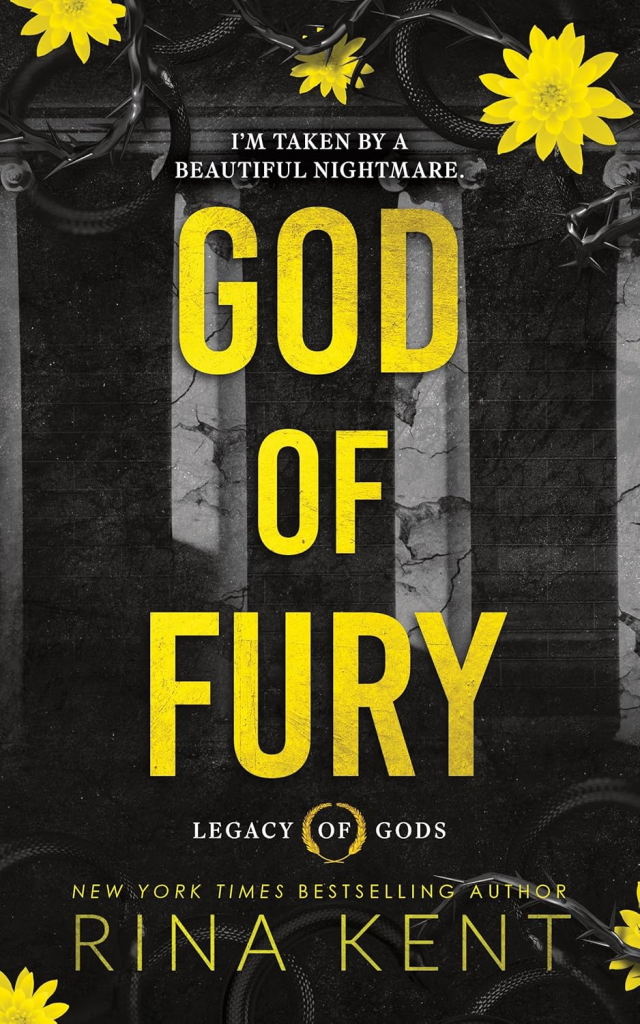
Example Title
7. Noncon/Dubcon Dark Romance
Let’s be adults about this one. Noncon (non-consensual) and dubcon (dubiously consensual) dark romance is exactly what the labels say, and it’s one of the most popular and most misunderstood corners of the genre. This is fantasy fiction exploring scenarios that readers would never want in real life, processed safely through the distance of narrative.
It’s not an endorsement. It’s an exploration. That said, it’s genuinely not for everyone, and that’s completely fine. The best noncon/dubcon dark romance handles its content with craft, building dread, tension, and complicated emotional aftermath rather than glossing over the weight of what’s on the page.
Key themes & tropes:
- Consent is absent, coerced, or complicated from the start
- Reader discomfort is intentional and part of the experience
- FMC’s internal conflict is the emotional core of the book
- MMC’s obsession is the “justification,” not a redemption arc
- Aftermath and psychological complexity treated with some seriousness
- Not recommended as a genre entry point for new dark romance readers
- Heavy on trigger warnings, as it should be
Example Title
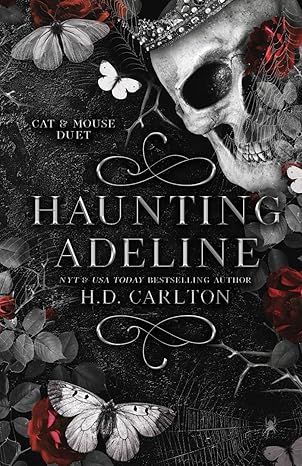
Haunting Adeline by H. D. Carlton (2021)
★★★⯪☆
8. BDSM Dark Romance
Where dark romance meets kink, and the result is a genre that’s equal parts psychological and physical. BDSM dark romance centers explicitly on power exchange dynamics, dominance, submission, control, and the intricate negotiation (or deliberate lack thereof, in darker iterations) of those roles.
The best versions of this subgenre understand that the real tension lives in the psychology, not just the scenes. Why does he need control? Why does she surrender it? What does it mean when the power exchange bleeds outside the bedroom and into every interaction? When it’s done well, it’s genuinely fascinating. When it’s done badly, it’s just a checklist of equipment and a hero who won’t stop using the word “mine.”
Key themes & tropes:
- Dominant MMC whose control is total and non-negotiable
- Contracts, rules, and safewords, honored or conspicuously absent
- Submission as the FMC’s complicated source of power and release
- The dynamic bleeds into every aspect of their relationship, not just sex
- Trust as the real climax, more than any scene
- Past trauma as the root system underneath the power exchange
- “I’ve never wanted this with anyone else” said with complete sincerity
Example Title
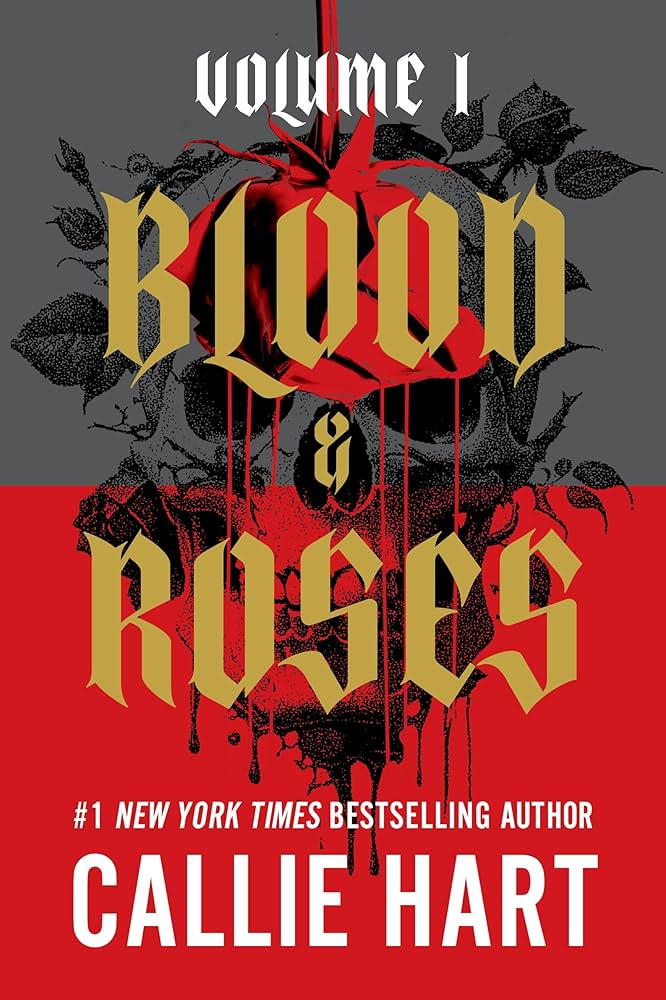
Blood & Roses by Callie Hart (2026)
9. Gore Dark Romance
Not for the faint of heart, or the weak of stomach. Gore dark romance pairs explicit romantic and sexual content with graphic violence, body horror, or death. The love interest might be a killer. The courtship might involve a body count. The intimacy might be splattered with something that isn’t paint.
It’s a niche within a niche, beloved by readers who find that darkness and desire are genuinely, biologically linked in their brains, and who are tired of authors tiptoeing around the uglier edges of obsession. When it works, it’s visceral and weirdly moving. When it doesn’t, it’s just a mess in every sense of the word.
Key themes & tropes:
- MMC is a killer, serial, contract, or situational, and she knows it
- Violence and desire are explicitly, deliberately intertwined
- FMC responds to danger with fascination instead of sensible self-preservation
- Blood is present, described, and not incidental
- The horror elements are not metaphors, they are literal and graphic
- Dark humor used to cut the tension (mercifully)
- “Normal people” would absolutely call the police
Example Title
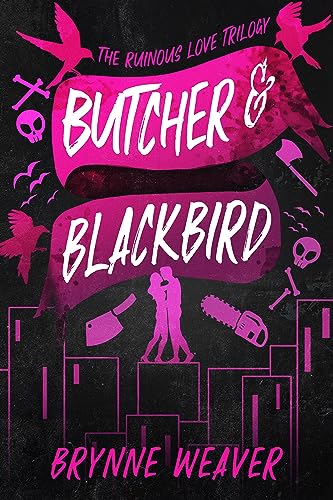
Butcher & Blackbird by Brynne Weaver (2023)
★★★⯪☆
10. Enemies-to-Lovers Dark Romance
The crowd favourite. The gateway drug. The subgenre that has probably introduced more readers to dark romance than any other. Enemies-to-lovers dark romance takes two people with genuine, well-earned antagonism and watches them combust.
In the dark romance version, the hatred is deeper, the conflict is sharper, and the eventual pivot is more seismic. These aren’t just people who bicker and then kiss. These are people who have actively tried to destroy one another’s lives and still can’t stop thinking about the other. The tension is in every insult, every confrontation, every moment where the line between wanting to win and wanting them blurs completely.
Key themes & tropes:
- Hatred is specific, personal, and 100% charged with something else
- Power struggle extends into the bedroom, nobody fully concedes
- Backstory conflict that makes the rivalry make sense
- The moment the dynamic shifts is always the best scene in the book
- “I hate you” and “I want you” become effectively the same sentence
- Revenge plots that accidentally become love stories
- Neither character is the obvious “good one”
Example Title
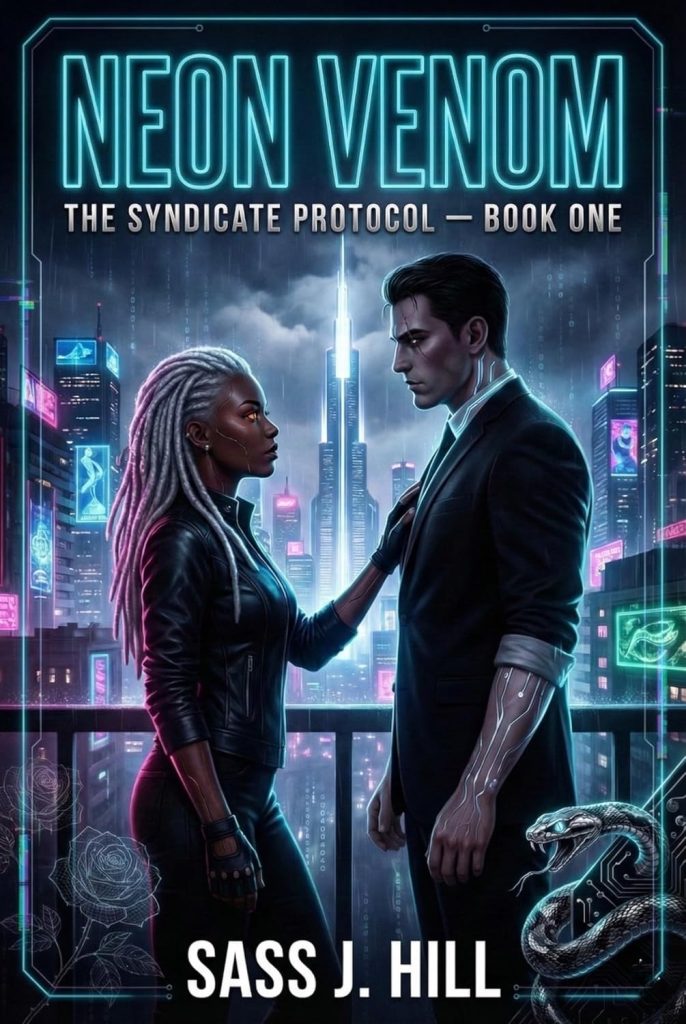
Neon Venom by Sass J. Hill (2026)
11. Reverse Harem Dark Romance
The girlies said: her turn. Reverse harem (RH) dark romance gives the FMC multiple love interests who are all, somehow, on board with the arrangement. It’s a power fantasy of the highest order, she doesn’t choose, she collects, and every man in the ensemble is deeply invested in her specifically.
In the dark romance version, the men are dangerous, morally compromised, and occasionally violent toward everyone except her. The FMC is the center of gravity, and these wildly different men orbit her in a way that shouldn’t work but absolutely does. It’s chaotic. It’s a lot of personalities to track. It’s fantastic.
Key themes & tropes:
- FMC is the only point of agreement between men who hate each other
- Each love interest fills a different emotional or narrative role
- Jealousy exists but is eventually redirected into competition for her attention
- The “how does this even work logistically” question answered with confidence
- FMC’s power grows as the story progresses, she starts small, ends untouchable
- Found family dynamics within the group of love interests
- “She chooses all of us” is the resolution, not a scandal
Example Title
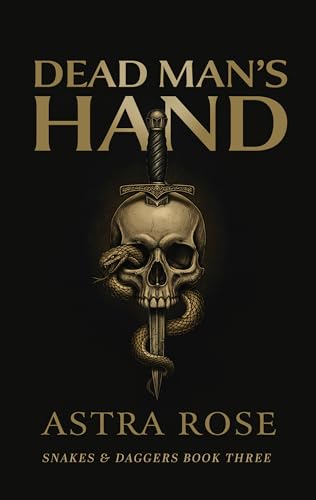
Dead Man’s Hand by Astra Rose (2026)
- Goodreads
- Author’s website
12. Age Gap Dark Romance
Somebody’s daughter. Somebody’s ruin. Age gap dark romance makes the years between two people the entire engine of the story, and it doesn’t apologize for it. The MMC is older, established, and carrying the kind of damage that only decades of bad decisions can build.
The younger counterpart is not naive, exactly, but they’re operating with less scar tissue, and that gap in lived experience is where all the tension lives. In the dark romance version, this isn’t a meet-cute with a charming age difference. It’s a power imbalance that both characters are fully aware of, and the best books in this subgenre dig into what that awareness costs each of them. The guilt, the obsession, the “I should leave you alone” that never quite sticks.
Key themes & tropes:
- MMC has watched, wanted, and waited longer than he should have
- “You’re too young for this” said while actively not stopping
- Mentor, boss, guardian, or family friend, proximity with built-in authority
- FMC is sharper than he expected and it completely undoes him
- The age gap is named, examined, and then largely ignored
- His experience and her instincts create genuinely electric tension
- Everybody in their lives would have an opinion, so they tell nobody
Example Title
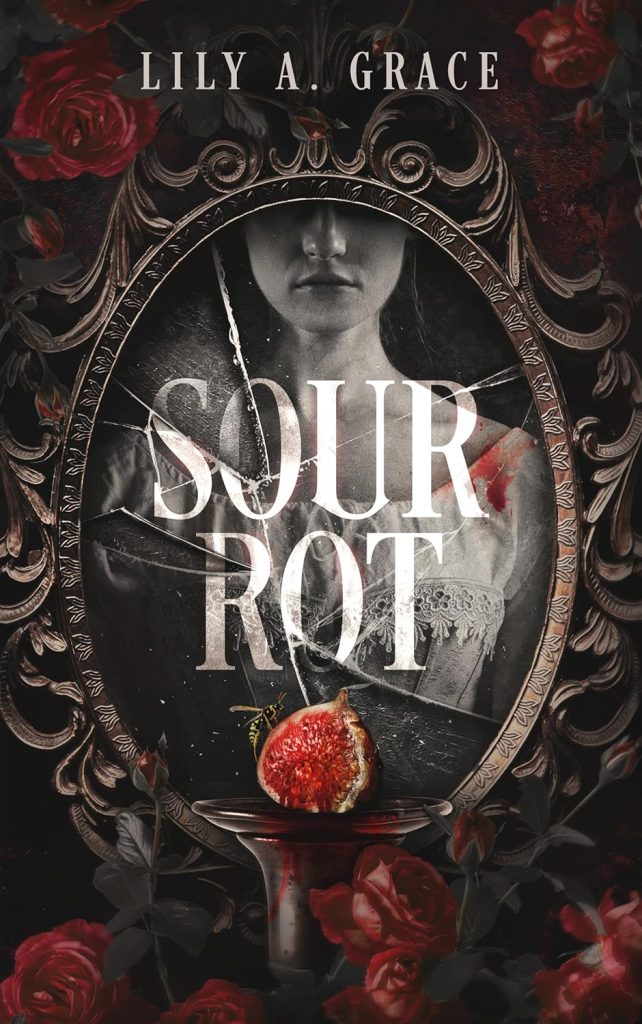
Sour Rot by Lily A. Grace (2026)
13. Arranged Marriage / Forced Proximity Dark Romance
They didn’t choose each other. A family did, or a contract did, or a threat did, and now they are legally, logistically, inescapably bound. Arranged marriage and forced proximity dark romance skips the “will they end up together” question entirely and replaces it with something far more interesting: what happens when two people who didn’t choose each other have to figure out whether they want to.
The dark romance flavor means the arrangement isn’t flattering or friendly. He might resent her. She might be terrified of him. The house they share might be a gilded cage or a genuine warzone. The intimacy that develops in that pressure cooker is the whole point, forced closeness stripping away every defense until there’s nothing left to hide behind.
Key themes & tropes:
- Marriage happens before they actually know each other, details to follow
- Shared space makes emotional distance increasingly impossible
- Contract terms are specific, clinical, and quickly rendered irrelevant
- “This is an arrangement” becomes less convincing by the chapter
- Cold MMC thawed by proximity and only proximity
- Family, crime, or political stakes make leaving genuinely dangerous
- First moment of tenderness hits harder than any grand gesture
Example Title
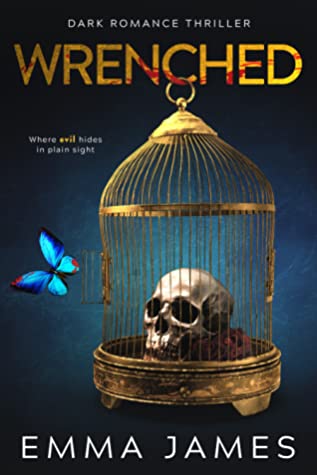
Wrenched by Emma James (2021)
14. Cult / Religious Dark Romance
This one goes somewhere most books won’t. Cult and religious dark romance plants its story inside systems of total control, devotion weaponized, faith twisted into a leash, and a love interest who is either the architect of that control or someone just as trapped inside it. The MMC might be the leader, the enforcer, or the true believer.
The FMC might be born into it or dragged in from the outside. Either way, the power dynamics are institutional, inescapable, and layered with a specific kind of psychological horror that other dark romance subgenres don’t touch. The best books here understand that coercion wrapped in devotion is among the most disorienting things a person can experience, and they write that disorientation with real teeth.
Key themes & tropes:
- Belief system is the architecture of every relationship in the book
- MMC’s power is spiritual, communal, and nearly impossible to resist
- Isolation from the outside world is structural, not incidental
- FMC questions everything slowly, then all at once
- “God told me” used as a love language and a threat interchangeably
- Leaving means losing everything, community, identity, safety
- The unraveling of faith and the beginning of love happen simultaneously
Example Title
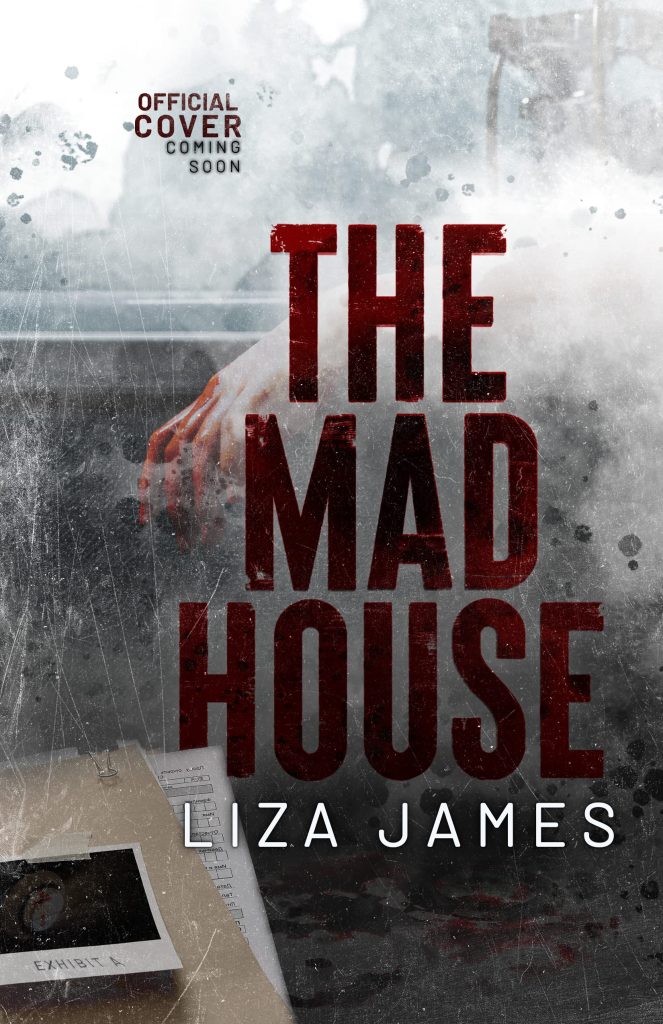
The Mad House by Liza James (2022)
15. Dark Academia Romance
It smells like old books and bad decisions in here. Dark academia romance is set against the backdrop of elite institutions (universities, private schools, secret societies) where intelligence is a weapon, reputation is currency, and the people in charge of your education have absolutely no business being that attractive or that dangerous.
The dark romance angle turns the classic academia aesthetic (candlelight, Latin, oak-panelled libraries) into something with real menace underneath it. Power trips in lecture halls. Obsession in the stacks. Rivalries with roots deeper than any single semester. The setting does a lot of heavy lifting, there’s something uniquely suffocating about a world where your social, academic, and romantic lives are all the same world, inescapable and overlapping.
Key themes & tropes:
- Ivy-covered institution with secrets older than the curriculum
- Professor/student or upperclassman/newcomer dynamic with full awareness of stakes
- Secret societies that are not metaphorical and not optional
- Intelligence as foreplay, debates that end in something other than a grade
- Reputation destroyed and rebuilt as a romantic gesture
- The library, inevitably, is where something important happens
- Ancient grudges, legacy families, and sins passed down like heirlooms
Example Title
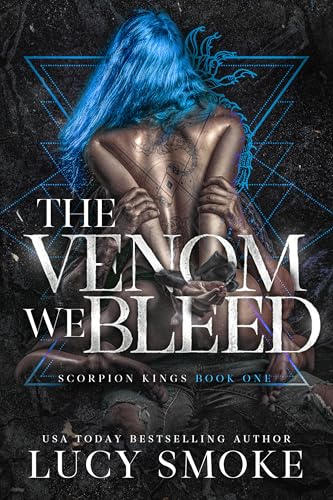
The Venom We Bleed by Lucy Smoke (2025)
Sign Off…
Dark romance is not a monolith, and it never was. It’s a sprawling, shape-shifting genre that contains multitudes, from the gothic drip of dark academia to the logistical chaos of reverse harem, from cult compounds to mafia penthouses to masked men with questionable internet habits. The only real through-line is this: something is at stake, the power is uneven, and the feelings are too big to be polite about.
The subgenre you start with probably says something about you. The subgenre you end up in definitely does.
If you’re new here, welcome: pick a lane and don’t think too hard about what it means that you chose it. If you’re a veteran, you already know that “types of dark romance” is a question with no clean answer, because the best books blend three subgenres into one and dare you to categorize them. The genre rewards readers who don’t need the moral math to add up. Who can hold complexity, discomfort, and desire in the same hand without dropping any of it.
Read the dark thing. Feel the weird feeling. Close the book when you need to.
That’s what it’s there for.